
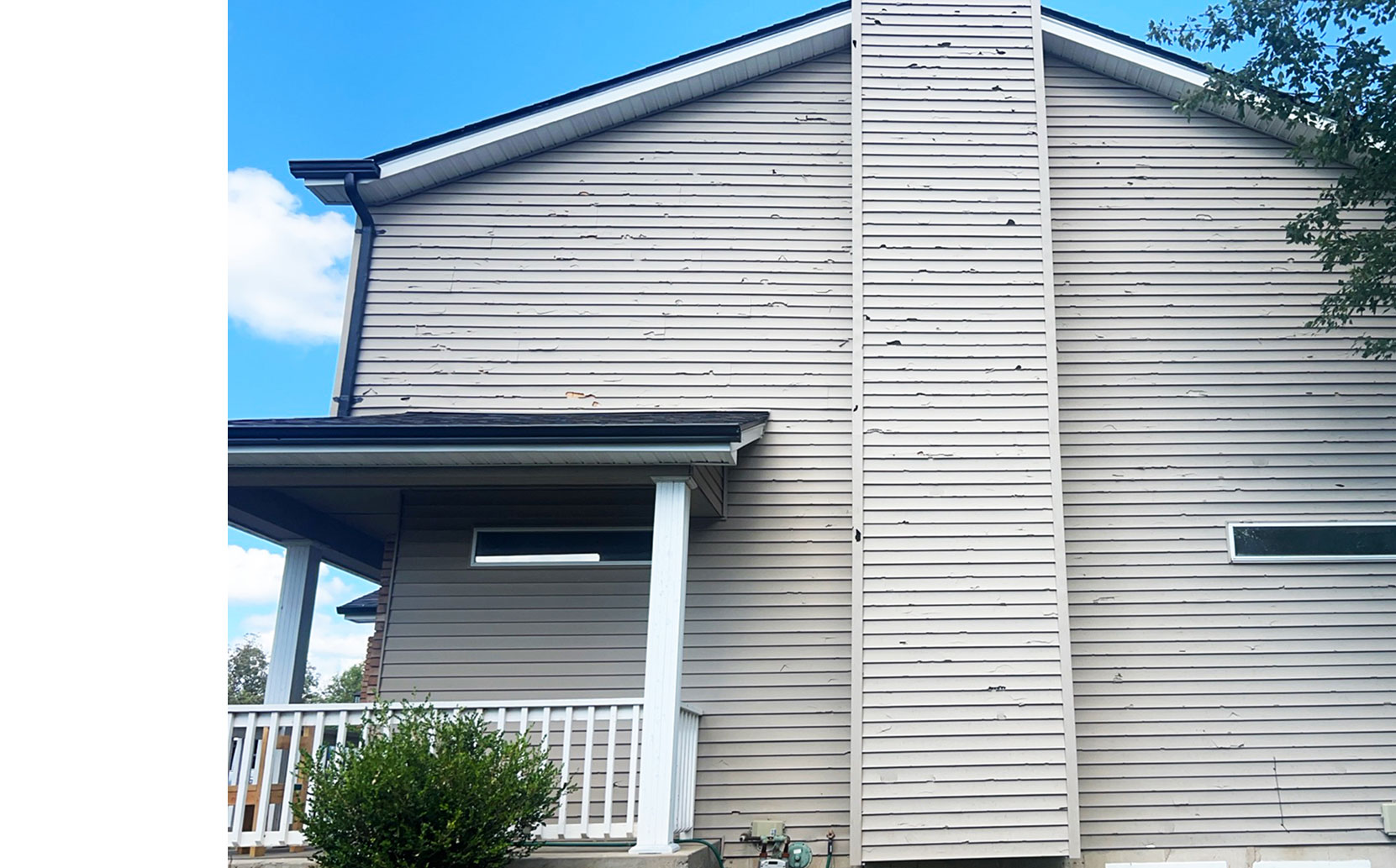
We are your
Storm Damage Experts
From initial inspection to closing out the claim, we are there to help you every step of the way.

Our Process…
From Start to Finish
1
Inspection & documentation
Our first job is to prove storm damage exists. This includes:
- Inspecting roof, siding, gutters, windows, vents, flashing, soft metals
- Identifying wind damage, hail hits, creased shingles, lifted tabs
- Taking clear photos, videos, and measurements
- Checking date of loss and storm reports
- Determining if damage is repairable or replacement-level
Goal: Decide if it’s worth filing a claim before you risk one.
2
Educate the homeowner
Before any claim is filed, we explain:
- What their deductible is
- What insurance typically covers (storm damage only)
- What it does not cover (wear, bad installs, old rot)
- That they choose the contractor, not insurance
A good contractor sets expectations early so there are no surprises later.
3
Assist with filing the claim
We don’t file the claim for the homeowner, but we guide them:
- What to say (date of storm, type of damage)
- What not to say (opinions or assumptions)
- Make sure the claim is filed correctly
Once filed, we track the claim number and adjuster assignment.
4
Meet the adjuster on site
This is one of the most important steps.
What we do:
- Walk the property with the adjuster
- Point out damage they may miss
- Explain why damage requires replacement vs repair
- Reference manufacturer guidelines and local code
Why it matters:
Adjusters don’t always climb roofs or inspect everything thoroughly. If we’re not there, items often get overlooked.
5
Review the insurance scope & estimate
After inspection, insurance sends an estimate.
We:
- Review line by line
- Compare it to real-world labor and material needs
- Look for missing items (starter, ridge cap, drip edge, flashing, ice & water, code upgrades)
If it’s short, we prepare a supplement.
6
Submit supplements & negotiate
This is where experienced contractors earn their keep.
We submit:
- Photos
- Updated measurements
- Code documentation
- Manufacturer specs
- Pricing corrections
Then:
- Negotiate professionally with the adjuster
- Revise scope until it reflects proper repairs
This is normal and expected – not arguing, just clarifying.
7
Sign contract & schedule work
Once scope is approved:
- Homeowner signs contract
- Materials are ordered
- Job is scheduled around weather and availability
We also help homeowner understand payment flow:
- Insurance checks
- Mortgage company endorsements (if required)
8
Perform the work
We:
- Complete repairs or full replacement per approved scope
- Follow manufacturer specs and local codes
- Document progress and final condition
Quality work protects both the homeowner and the claim.
9
Close out the claim
After completion:
- Final invoice sent to insurance
- Recoverable depreciation is released
- Claim is closed
If additional damage is discovered mid-project, we:
- Document it
- Submit a final supplement if necessary